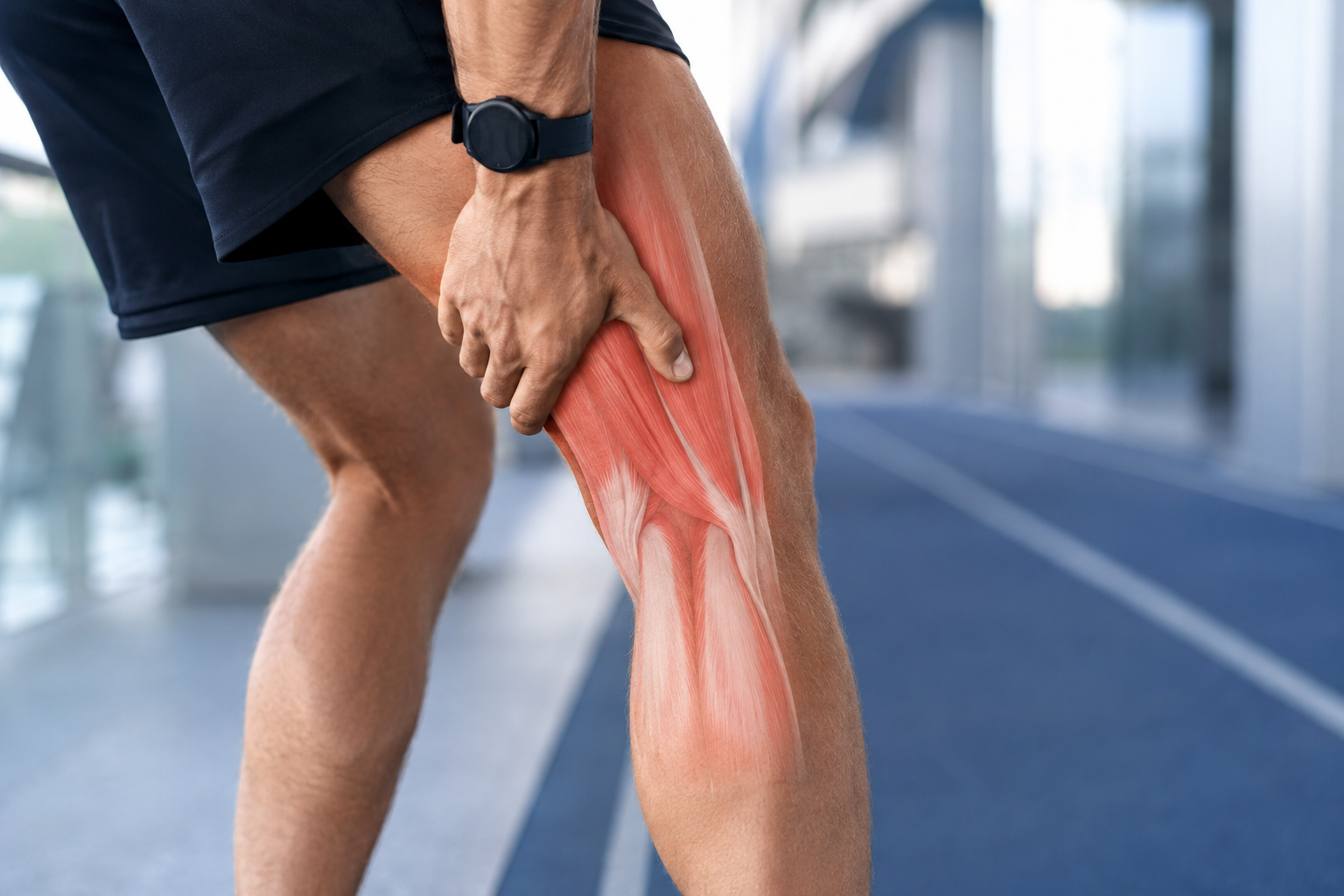
Junior Basketball Athletes & Load Management: Supporting Long-Term Participation & Performance
Basketball places repeated demands on jumping, landing and change of direction. For junior athletes whose bodies are still adapting, the way total load is organised over time is one of the biggest influences on their ability to stay on court and continue progressing.
Load management refers to planning:
Why juniors benefit from thoughtful load planning
Growth is an active process
Bones, tendons and growth areas remodel in response to training. They adapt well to gradual, consistent load.
Total exposure matters
A junior athlete might train for school, domestic, rep and play another sport. Each program may appear reasonable in isolation, but the body responds to the total.
Capacity and exposure need to track together
When strength, landing control and conditioning grow at a similar pace to training volume, athletes tolerate more court time comfortably.
Typical early signs an adjustment may be helpful
Useful signals that load and recovery might require fine-tuning:
Listening to these signs allows proactive adjustment.
Principles that make load progression smoother
1) Aim for consistency over big jumps
Steady weeks support better adaptation than abrupt increases.
2) Change one variable at a time
If basketball minutes rise, keep gym or other sports stable during that fortnight.
3) Keep strength work in the plan
Strength serves as a buffer — it improves tissue capacity to handle sport load.
4) Plan high-load periods ahead
Trials, tournaments and finals run more smoothly when the build-up is gradual, not compressed.
What a balanced week might look like
For many junior hoopers (outside peak blocks):
This isn’t about doing “less”, it is about shaping the rhythm of load, so the body keeps adapting.
How parents & coaches can support this
Where physiotherapy contributes
At Hoops Physio, we help by:
Thoughtful load management is not about limiting opportunity — it is about sustaining participation and development over years, not weeks.
If your junior athlete is increasing their schedule, preparing for trials, or balancing multiple sports and you want a structured plan, Hoops Physio can assist.
contact us
If you’d like to enquire about our services please complete and submit this form. Or contact us directly using the details below.
© Copyright Year Hoops Physio. All Rights Reserved.